Numbers in Chinese culture: meanings, symbolism and everyday examples
Numbers in Chinese culture are not just a way to count objects or dates. They are connected to language, traditions, rituals, architecture, holidays, and business etiquette. Some numbers are considered auspicious because they sound similar to words for wealth, harmony, or longevity. Others provoke caution due to associations with death, separation, or failure. Understanding this symbolism helps to read Chinese culture better and avoid awkward mistakes in communication.
Why numbers are important in Chinese tradition
Chinese numerical symbolism has grown from several sources. Firstly, homophones play a significant role. In Chinese languages and dialects, many words sound similar, so a number can remind one of another word and take on an additional meaning. The most well-known example is the number 8, which in Putonghua sounds like "ba" and is associated with the word "fa," meaning to prosper or get rich.
Secondly, ancient views on the order of the world have influenced the perception of numbers. Important pairs such as "yin" and "yang", the five elements, cycles of the calendar, cardinal directions, and ritual geometry matter. Therefore, a number can be not only "lucky" or "unlucky" but also related to balance, imperial power, seasonality, or family harmony.
Finally, the symbolism of numbers survives in everyday life. It is noticeable in phone numbers, floors of buildings, gifts, wedding dates, choices of vehicle number plates, and holiday decorations.
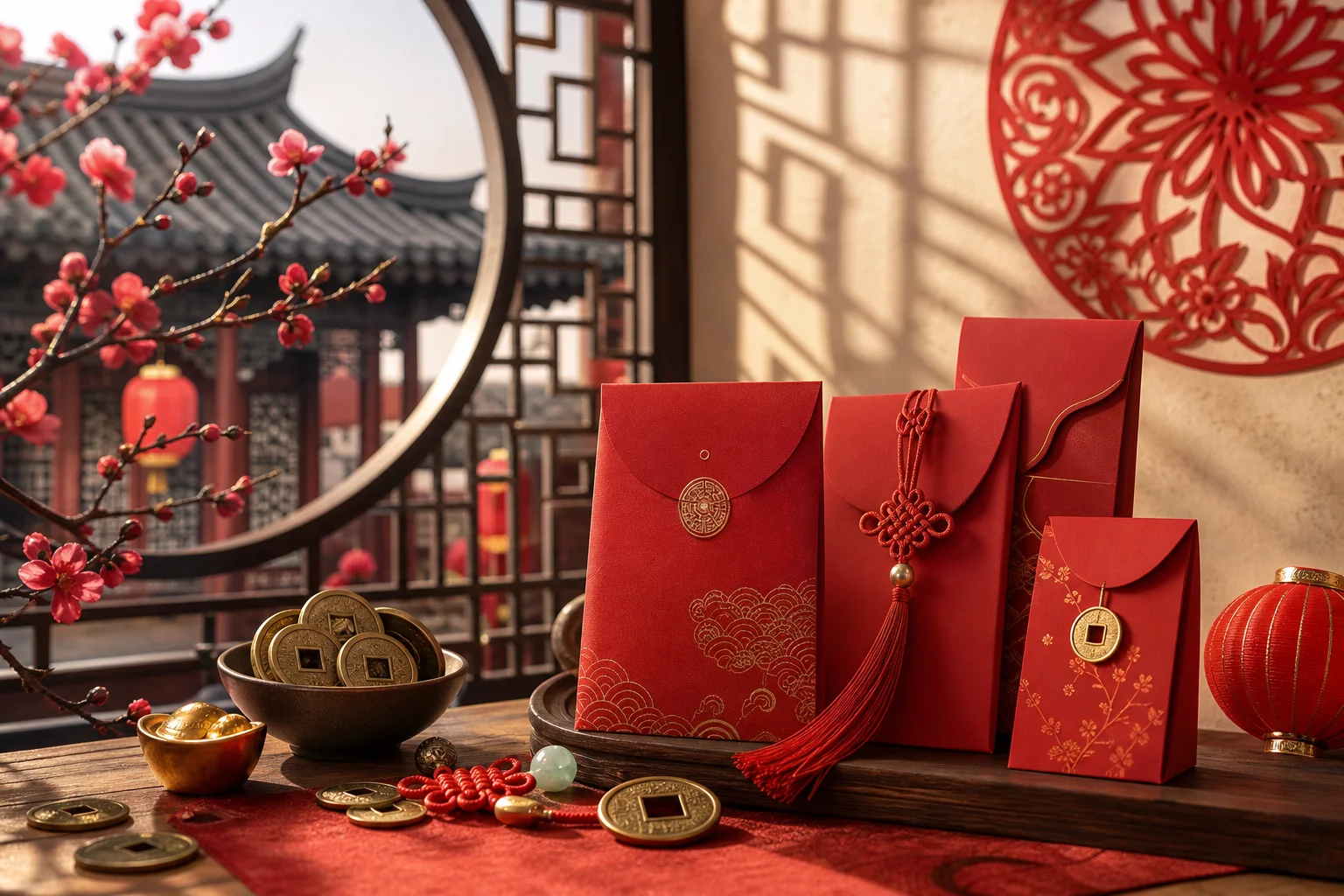
Meanings of key numbers in Chinese culture
Below is a brief comparison of popular numbers and their stable associations. It is important to remember: meanings can vary by region, dialect, and context.
| Number | Main meaning | Where it appears | What to pay attention to |
|---|---|---|---|
| 1 | beginning, unity, independence | slogans, personal goals, rankings | can sound neutral, depends on the phrase |
| 2 | pair, harmony, lucky doubling | weddings, gifts, decor | "good things come in pairs" |
| 3 | growth, life, movement | congratulations, family symbolism | sometimes associated with stability: heaven, earth, man |
| 4 | unfavorable number due to phonetic similarity to death | floors, numbers, gifts | often avoided in hospitals and real estate |
| 5 | five elements, center, order | philosophy, medicine, cuisine | not always "lucky", but culturally significant |
| 6 | smooth flow of affairs, luck in process | business, exams, trips | means everything goes smoothly and evenly |
| 7 | dual symbolics | memory of the deceased, Qixi festival | not only "bad", depends on context |
| 8 | wealth, prosperity, success | numbers, dates, business | one of the most desired numbers |
| 9 | longevity, eternity, imperial power | weddings, palaces, rituals | linked with maximum yang energy |
| 10 | completeness, finality | grades, wishes, accounts | symbol of a perfect whole |
Lucky numbers and their cultural meaning
Number 8 as a sign of prosperity
The number 8 is considered one of the most auspicious. It is loved for use in business, advertising, phone numbers, and important dates. The reason is the phonetic connection with the idea of wealth growth. In Cantonese, this association is particularly strong, but it is well understood in other Chinese cultural contexts as well.
However, 8 should not be understood as a magical guarantee of success. Rather, it is a sign of good wishes. It shows that a person hopes for development, profit, and a favorable start.
Number 6 and the smooth flow of affairs
The number 6 often means that everything goes smoothly. It is chosen when wishing for an easy road, a successful exam, calm negotiations, or an unhindered project. In internet slang, repeating sixes can also express admiration for skill, somewhat like "very cool".
In the business environment, combinations with 6 appear friendly and practical. They are less formal than 8 but still carry a positive connotation.
Number 9 and longevity
The number 9 is associated with duration, eternity, and high status. In imperial symbolism, it held a special place: the number 9 symbolized yang fullness and power. Therefore, nines can be found in descriptions of palace architecture, ceremonies, and regalia.
In private life, 9 is suitable for wishes of long marriages, strong love, and many years. For example, bouquets or gift sets with nine elements can sound like a wish for stability and continuation.
Unfavorable numbers and caution in etiquette
Why number 4 is avoided
Four is the most well-known "unlucky" number in Chinese culture. The reason is simple: the pronunciation of the number 4 is similar to the word for "death." Because of this, people may avoid fours in apartment numbers, hospital rooms, phone numbers, and gift sets.
This avoidance is similar to Western caution towards the number 13, but it operates on its own linguistic reasons. However, not every Chinese person will take 4 equally seriously. Young people and residents of large cities often take it more calmly. But in a formal gift or invitation, it’s better not to choose a set of four items.
Number 7: not just bad luck
The number 7 has a more complex reputation. It can be associated with memorial rites and the theme of death, thus sometimes perceived cautiously. But there are positive contexts as well. For example, the Qixi festival, celebrated on the seventh day of the seventh lunar month, is tied to a romantic legend about the Cowherd and the Weaver.
Therefore, 7 cannot automatically be considered a bad number. Its meaning depends on the situation, region, and cultural frame.
Numbers in holidays, calendars, and rituals
Chinese culture pays close attention to cycles. Therefore, not only individual digits matter, but also calendar combinations. The lunar calendar, the 12 animals of the Chinese zodiac, 24 seasonal periods, and the 60-year cycle of heavenly stems and earthly branches help link time with nature, fate, and societal rituals.
The number 12 is known through the zodiac circle: Rat, Ox, Tiger, Rabbit, Dragon, Snake, Horse, Goat, Monkey, Rooster, Dog, and Pig. This cycle influences the celebration of the New Year, gift choices, and discussions about a person's character.
The number 5 is associated with five elements: wood, fire, earth, metal, and water. This system is significant for traditional philosophy, medicine, music, cuisine, and feng shui. It describes not so much superstitions as a model of interconnections in the world.
How to use the symbolism of numbers correctly
If you are preparing a gift, choosing a date, or communicating with Chinese partners, numerical symbolism can signify respect. Follow a simple algorithm.
- Determine the context. Pairs, 8, and 9 are suitable for weddings. For business — 6 and 8. For memorial themes, it’s better to avoid playful numerical hints.
- Check the quantity of items. Do not give a set of four items if you are not sure it is appropriate. Better choose 2, 6, 8, or 9.
- Consider the region and language. There are many dialects in China, and the pronunciation of numbers can differ. What is significant in Cantonese culture may not have the same weight in northern China.
- Don’t overdo it. Numbers work as a cultural gesture, not as strict instructions. Sincerity and the quality of the gift matter more than an ideal combination.
- Ask if unsure. In a business environment, it’s permissible to clarify preferences with a local colleague or organizer.

Numbers in modern Chinese life
Today, traditional meanings of numbers easily blend with digital culture. In chats, online stores, and social media, numerical combinations can replace phrases. For example, 520 is often read as a confession of love because it sounds like "I love you". The combination 1314 can hint at "for a lifetime" or "forever". Such expressions are particularly popular in romantic messages and holiday promotions.
In real estate, the symbolism is also noticeable. Some buildings skip floors with the number 4 or offer more attractive prices for apartments with "unwanted" numbers. Conversely, numbers with 8 are perceived as prestigious. However, this practice depends on the city, developer, and audience.
In business, favorable numerical combinations are used in branding, telephony, and project launches. Modern companies usually balance between tradition, marketing, and practicality.
Frequently asked questions about numbers in Chinese culture
What is the luckiest number in China?
The number 8 is most often cited because it is associated with wealth and prosperity. The number 6, 9, and 2 are also considered auspicious, but their meaning depends on the situation.
Why do Chinese people dislike the number 4?
The number 4 sounds similar to the word "death" in Chinese. Therefore, it is often avoided in gifts, floor numbers, phone numbers, and important dates.
What does the number 9 mean in Chinese culture?
The number 9 is associated with longevity, eternity, and high status. In the past, it was also linked with imperial power and the fullness of yang energy.
Is it okay to give four items to a Chinese friend?
It is better not to, especially if the gift is formal. A set of two, six, eight, or nine items would be safer and more culturally respectful.
Do all Chinese people believe in the significance of numbers?
No. Attitudes vary. Some people attach great importance to numbers, while others see them as tradition or word play. But knowing these associations is helpful, as they remain part of etiquette and popular culture.
Conclusion
Numbers in Chinese culture help to see how language, history, and everyday life connect into a single system of meanings. Remember the main points: 8 is associated with prosperity, 6 with smooth affairs, 9 with longevity, and 4 is best avoided in important gifts and congratulations. If you are communicating with Chinese friends, partners, or clients, use this knowledge as a sign of respect: choose numbers mindfully, consider the context, and don't hesitate to clarify details.